
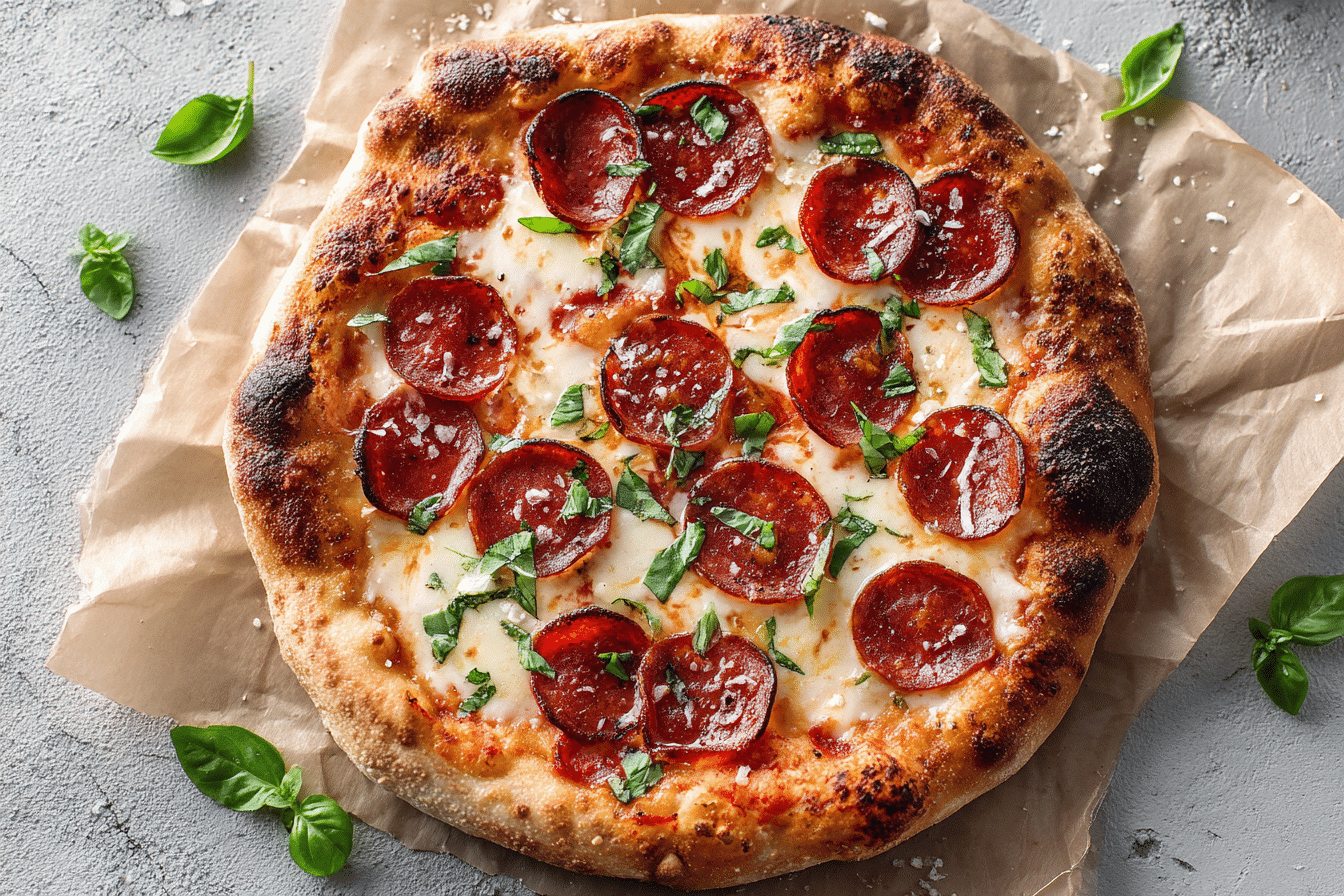
Neapolitan pizza dough is the heart and soul of traditional Italian pizza. Known for its soft, chewy interior, crisp blistered crust, and slightly tangy flavor, this style of dough originates from Naples, the birthplace of pizza. The magic of Neapolitan pizza lies in its simplicity — just four core ingredients and time.
Whether you’re baking in a wood-fired oven or a very hot home oven with a pizza stone, this dough delivers that signature airy, leopard-spotted edge (cornicione) and flexible base that holds up to tomato sauce, mozzarella, and basil. With the right flour, fermentation, and technique, you can bring a slice of Naples to your kitchen.
Ingredients Overview
Authentic Neapolitan pizza dough uses just flour, water, salt, and yeast. Each plays a crucial role in texture, fermentation, and flavor.
Flour
-
00 flour (double zero flour): Finely milled Italian flour made for pizza and pasta. It creates a soft, elastic dough with excellent gluten structure.
-
Alternative: Bread flour or all-purpose can be used, but 00 flour offers the best texture.
Water
-
Filtered or spring water: Clean water helps yeast thrive. Room temperature is best for mixing.
Salt
-
Fine sea salt: Regulates fermentation and strengthens gluten. Avoid iodized salt, which can affect flavor.
Yeast
-
Active dry yeast or instant yeast: Only a small amount is needed due to long fermentation.
-
Alternative: Fresh yeast (cake yeast) is used in traditional recipes — adjust quantity accordingly.
Optional:
-
Olive oil is not used in traditional Neapolitan dough, though some home recipes include it. Authentic dough relies solely on the 4 base ingredients.
Step-by-Step Instructions
This dough requires time, not effort. Plan for at least 8–24 hours of fermentation for best flavor and structure.
1. Mix the Dough
Ingredients (for 4 small pizzas):
-
500g 00 flour
-
325ml water (65% hydration)
-
2 tsp fine sea salt (10g)
-
1/2 tsp instant yeast (1.5g)
Method:
-
In a large bowl, dissolve salt in water.
-
Add about 10% of the flour and mix to create a slurry.
-
Sprinkle in yeast and mix again.
-
Gradually add the remaining flour, mixing with your hand or a wooden spoon until a shaggy dough forms.
2. Knead
-
Transfer to a floured surface and knead by hand for 8–10 minutes until smooth and elastic.
-
The dough should feel soft but not sticky.
-
Alternative: Use a stand mixer with a dough hook for 6–7 minutes.
3. First Fermentation (Bulk Rise)
-
Shape dough into a ball and place in a lightly floured bowl.
-
Cover with a damp cloth or plastic wrap.
-
Let rise at room temperature (68–72°F / 20–22°C) for 8–24 hours.
Tip: A longer fermentation (18–24 hours) develops better flavor and structure.
4. Divide and Rest
-
Turn the dough onto a floured surface.
-
Divide into 4 equal balls (~210–220g each).
-
Shape into smooth balls by folding edges underneath.
-
Place each in a lightly oiled container or proofing tray.
5. Final Proof
-
Let dough balls rest at room temperature for 2 hours before stretching.
-
Dough should be relaxed, soft, and slightly puffy.
6. Stretch and Bake
-
Preheat your oven to the highest temperature (ideally 500°F/260°C+) with a pizza stone or steel inside.
-
On a floured surface, gently press each dough ball into a disc.
-
Stretch outward with your hands — avoid using a rolling pin to preserve air bubbles.
-
Transfer to a pizza peel or parchment paper.
For Authentic Neapolitan Pizza:
-
Bake in a wood-fired oven at 800–900°F for 60–90 seconds.
-
For home ovens, bake at max temp for 6–8 minutes, possibly using broiler for final charring.
Tips, Variations & Substitutions

Dough Tips
-
Hydration: 65% is manageable and gives a tender, airy crust. Increase to 70% for more open crumb if experienced.
-
Cold Fermentation: After the first rise, refrigerate dough for up to 72 hours for deeper flavor.
-
Flour substitution: Use a mix of 00 and bread flour for a slightly chewier crust.
Flavor Variations
-
For a slightly sour note, use a sourdough starter instead of yeast.
-
Add a pinch of sugar or malt to help browning in lower-temp ovens (optional, not traditional).
Dough Additions
-
While traditional dough is minimalist, some home cooks add 1 tbsp olive oil to prevent drying in home ovens.
Serving Ideas & Occasions
Neapolitan dough is a blank canvas for endless pizza styles, though it’s best paired with simple, high-quality toppings.
Classic Toppings
-
Margherita: Crushed San Marzano tomatoes, fresh mozzarella, basil, drizzle of olive oil.
-
Marinara: Tomato sauce, garlic, oregano, and olive oil — no cheese.
-
Prosciutto e arugula: Post-bake topping of prosciutto, fresh arugula, and shaved Parmesan.
Occasions
-
Pizza night parties with friends — set up a topping bar
-
Romantic dinner with a bottle of Chianti and classic Margherita
-
Weekend bake when you have time to ferment dough slowly
Nutritional & Health Notes
Neapolitan pizza dough is naturally dairy-free, vegan, and contains no added sugars or oils (unless modified). When made with 00 flour and long fermentation:
-
Calories: ~180–200 per 100g dough
-
Carbohydrates: High due to refined flour — consider pairing with a side salad
-
Fat: Virtually none unless toppings or oil are added
-
Fiber: Low with 00 flour; use whole wheat blend for added fiber
Portion control and topping choice are key to keeping this dish balanced.
FAQs
Q1: Can I freeze Neapolitan pizza dough?
Yes. After forming dough balls, wrap tightly in plastic and freeze for up to 3 months. Thaw in the fridge overnight, then bring to room temperature for 2 hours before using.
Q2: Can I use all-purpose flour instead of 00?
Yes. It won’t be as soft and airy, but it will still produce a tasty crust. Look for high-protein AP flour if possible.
Q3: Why is my dough too sticky?
Too much water or not enough kneading can cause stickiness. Dust with flour and knead a few more minutes until smooth and elastic.
Q4: Can I make the dough same-day?
Technically yes. Use 1 tsp yeast and let rise for 2–3 hours. However, flavor and texture improve dramatically with long fermentation.
Q5: How do I get charred crust at home?
Use a preheated pizza stone or steel. Bake at the oven’s highest temp and finish under the broiler for 1–2 minutes for blistering.
Q6: What’s the best way to stretch Neapolitan dough?
Gently press from the center out, turning the dough as you go. Avoid pressing the edges — that’s how you get the puffy crust.
Q7: Why did my dough not rise?
Possible reasons include expired yeast, too much salt in direct contact with yeast, or room temperature being too cold for fermentation.
Neapolitan Pizza Dough – Authentic, Chewy, and Wood-Fired Ready

Authentic Neapolitan pizza dough made with 4 simple ingredients and long fermentation. Light, airy, and perfect for wood-fired or high-temp baking.
Ingredients
-
500g 00 flour
-
325ml water
-
10g fine sea salt (2 tsp)
-
1.5g instant yeast (1/2 tsp)
Instructions
-
Dissolve salt in water. Add a bit of flour, then yeast. Mix well.
-
Gradually add remaining flour. Mix to form a shaggy dough.
-
Knead on floured surface for 8–10 minutes until smooth.
-
Place in bowl, cover, and let rise at room temperature for 8–24 hours.
-
Divide into 4 balls. Rest 2 hours.
-
Stretch by hand into circles.
-
Bake at 500°F+ on pizza stone for 6–8 minutes, or in wood-fired oven at 850°F for 90 seconds.
Notes
-
Cold ferment up to 72 hours for stronger flavor.
-
Use high-protein flour if 00 isn’t available.
-
Add semolina to peel to prevent sticking.