

Nigerian Chicken Stew is one of West Africa’s most beloved comfort dishes — a bold, spicy, tomato-based sauce simmered with tender fried chicken, infused with aromatic spices and rich depth. Known for its vibrant color, deep flavors, and versatility, this stew is a staple in many Nigerian households.
What makes this Spicy Nigerian Chicken Stew special is the layered use of heat — from Scotch bonnet peppers to warming seasonings like ginger and curry powder. It’s traditionally served with rice, yam, or plantains, making it a soul-satisfying centerpiece for everyday meals or special gatherings.
Whether you’re familiar with West African cuisine or just discovering it, this stew is the kind of dish that turns a simple chicken dinner into something deeply flavorful and memorable.
Ingredients Overview
Understanding each ingredient helps you get the most out of this beautifully spiced stew. Here’s what you’ll need:
-
Chicken (bone-in, skin-on preferred): Drumsticks or thighs are ideal for flavor and tenderness. Bone-in pieces absorb and release flavor as they simmer.
-
Fresh Tomatoes: Forms the base of the stew. Use Roma or plum tomatoes for their rich, less-watery consistency.
-
Red Bell Peppers: Adds natural sweetness and vibrant color to balance the heat.
-
Scotch Bonnet or Habanero Peppers: Brings the heat and authentic Nigerian flavor. Adjust quantity to your spice preference.
-
Onions: Blended with the tomato-pepper mix and sautéed for depth. Red onions are common, but yellow can work too.
-
Garlic & Ginger: Fresh is best for robust flavor. These aromatic staples give the stew its signature warmth.
-
Tomato Paste: Intensifies the tomato flavor and thickens the sauce.
-
Seasonings:
-
Thyme
-
Curry Powder
-
Bay Leaves
-
Salt and Bouillon (Maggi or Knorr cubes)
-
-
Vegetable Oil (Palm or Neutral Oil): For frying the chicken and sautéing the sauce. Traditional stews often use palm oil, but any neutral oil works too.
Ingredient Tips & Alternatives
-
Lower Heat: Remove seeds from Scotch bonnet peppers, or use fewer for mild spice.
-
Tomato Alternatives: Canned whole tomatoes work in place of fresh — use about 2 cups drained.
-
Healthier Option: Remove chicken skin after frying to cut down on fat.
-
Oil Swap: If you prefer a lighter taste, use sunflower or avocado oil instead of palm.
Step-by-Step Instructions
1. Prepare the Chicken
-
Clean and season chicken pieces with salt, pepper, and a touch of curry and thyme.
-
In a large skillet or Dutch oven, heat oil over medium-high and fry chicken until browned on both sides (about 6–8 minutes per side).
-
Remove and set aside. The chicken will finish cooking in the stew.
2. Blend the Pepper Mix
-
In a blender, combine fresh tomatoes, bell peppers, Scotch bonnet(s), onions, garlic, and ginger.
-
Blend until smooth. You should have about 4 cups of mixture.
3. Cook the Tomato Base
-
In the same pot with leftover oil (add more if needed), sauté 1 chopped onion until fragrant.
-
Stir in 2–3 tablespoons of tomato paste. Fry for 5–7 minutes to eliminate acidity.
-
Add the blended pepper mix and cook over medium heat, stirring occasionally, for 20–25 minutes. The sauce should thicken and darken in color.
4. Season the Stew
-
Add curry powder, thyme, bay leaves, and bouillon. Taste and adjust with salt.
-
Return fried chicken to the pot, nestling it into the sauce.
-
Reduce heat to low, cover partially, and simmer for 20–25 minutes until the chicken is fully cooked and infused with the stew.
5. Final Adjustments
-
Stir gently to avoid breaking the chicken.
-
If too thick, loosen with a bit of water or chicken stock.
-
Finish with a drizzle of oil on top (optional) and a sprinkle of chopped onions or parsley for brightness.
Pro Cooking Advice
-
Patience is key — simmering the sauce properly brings out the rich flavor.
-
Watch the oil — traditional stews often have a layer of oil on top; skim off excess if preferred.
-
Don’t skip the fry — it seals in the chicken’s juices and builds flavor into the stew.
Tips, Variations & Substitutions

-
Smoky Twist: Add a bit of smoked paprika or grilled red bell peppers.
-
Vegetarian Version: Use mushrooms, tofu, or seitan as your protein, and build flavor with umami-rich vegetable bouillon.
-
Ginger-Forward Stew: Add more fresh ginger for a bright, spiced variation.
-
Regional Versions:
-
In Yoruba-style stews, more palm oil and ground crayfish are common.
-
Igbo variations might add uziza leaves for a peppery flavor.
-
Dietary Notes
-
Low-Sodium: Reduce bouillon cubes and increase herbs.
-
Keto-Friendly: Serve with cauliflower rice or sautéed greens instead of rice or plantains.
-
Spice Control: Start with half a pepper and taste as you go.
Serving Ideas & Occasions
Nigerian Chicken Stew is incredibly versatile and pairs with many traditional sides:
-
White rice (classic pairing)
-
Jollof rice for a double tomato hit
-
Boiled yams, plantains, or eba
-
Agege bread to soak up the spicy sauce
Perfect for Sunday dinners, holidays, or batch cooking — the flavors deepen beautifully after a day or two. It’s also a crowd-pleaser at family gatherings or potlucks.
Nutritional & Health Notes
This stew is rich in lean protein and antioxidants from tomatoes and peppers. It’s a nutrient-dense dish with heart-healthy garlic and ginger.
For a lighter version:
-
Skim off excess oil before serving.
-
Use skinless chicken.
-
Serve with brown rice or a side of vegetables for more fiber.
Portion control is key — the intense flavors make it easy to overindulge.
FAQs
Q1: Can I make this stew ahead?
Absolutely. It actually tastes better the next day as the flavors deepen. Store in the fridge for up to 4 days or freeze for 1 month.
Q2: What can I use instead of Scotch bonnet?
Use habanero or even Thai chili. For a milder taste, jalapeño works, though it won’t be as authentic.
Q3: Do I have to fry the chicken?
It’s traditional, but you can bake or air-fry the chicken beforehand. The important part is searing it for depth of flavor.
Q4: How do I thicken the stew?
Properly frying the tomato and pepper blend thickens the sauce naturally. If still watery, simmer uncovered to reduce.
Q5: What’s the difference between this and Jollof rice?
Jollof is a rice dish cooked in a seasoned tomato sauce, while Nigerian stew is served as a saucy side to other carbs. Both share similar ingredients but differ in texture and use.
Q6: Can I use chicken breast?
Yes, but it’s leaner and may become dry. Consider cooking it less or using thighs for juicier results.
Q7: Is it very spicy?
It can be, depending on how many hot peppers you use. Start with one pepper and taste before adding more.
Spicy Nigerian Chicken Stew – Bold, Hearty & Flavor-Packed
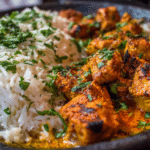
A bold, deeply flavored Nigerian stew made with fried chicken simmered in a spicy tomato, pepper, and onion sauce — perfect with rice, yams, or plantains.
Ingredients
-
2 lbs bone-in chicken (thighs or drumsticks)
-
4 large Roma tomatoes
-
2 red bell peppers
-
1–2 Scotch bonnet peppers
-
2 medium onions (1 for blending, 1 chopped)
-
4 garlic cloves
-
1-inch piece fresh ginger
-
2–3 tbsp tomato paste
-
1 tsp dried thyme
-
1 tsp curry powder
-
2 bay leaves
-
2 seasoning cubes (Maggi or Knorr)
-
Salt to taste
-
½–¾ cup vegetable or palm oil
-
½ cup water or chicken stock (as needed)
Instructions
-
Season chicken with salt, curry, and thyme. Fry in hot oil until browned, then set aside.
-
Blend tomatoes, bell peppers, Scotch bonnet, 1 onion, garlic, and ginger until smooth.
-
In the same pot, sauté chopped onion. Add tomato paste and cook for 5–7 minutes.
-
Pour in the blended mixture and simmer for 20–25 minutes, stirring occasionally.
-
Add seasonings and return chicken to the stew. Simmer another 20–25 minutes.
-
Adjust consistency with water or stock. Taste and balance seasoning.
-
Serve hot with rice, yam, or plantains.
Notes
-
Stew improves in flavor after a day.
-
Skim excess oil if desired.
-
Control spice by adjusting pepper quantity.